ILMpact: Transforming Foundational Learning for Pakistan's Children
A programme to get out-of-school children into the classroom, and help every child reach their full learning potential, in Punjab and Khyber Pakhtunkhwa.

Idara-e-Taleem-o-Aagahi (ITA), or the “Centre of Education and Consciousness” Public Trust, was established in 2000. With humble beginnings in Lahore, ITA has expanded programs (capacity building, services, research, advocacy and policy influence) across the country with 23 offices and 131 staff. It is certified by the Pakistan Centre for Philanthropy (PCP) and has a tax-exempt status.
The mission of ITA is to advocate and demonstrate universal access to quality learning and standard setting in education as a comprehensive inclusive learning experience for human evolution. Since 2000, ITA has been engaged in the education sector through a rights-based partnership approach to improve quality and governance of education from school to state level, ensuring inclusive and gender mainstreaming approaches and evidence-based advocacy for policy influence (mainly within the public-sector space). It emerged both as a response to the deeply felt crises of learning and systems by its original sponsors, and also to the government’s demand to help improve failing public sector schools.

About ILMpact
Our Vision
A Pakistan where every child, regardless of gender, disability, or background, is in school and learning the foundational literacy, numeracy, and life skills they need to thrive in life.
The Problem
In a typical government classroom in Pakistan, as many as 23 out of 30 children are performing at an average or extremely low level for their grade (ASER Reports, 2008–2020). Many children never enroll at all, or drop out early. Those who do stay in school often face large learning gaps, a shortage of trained teachers and materials, and real barriers to inclusion, especially girls, children with disabilities, and children from marginalized communities.
The Solution
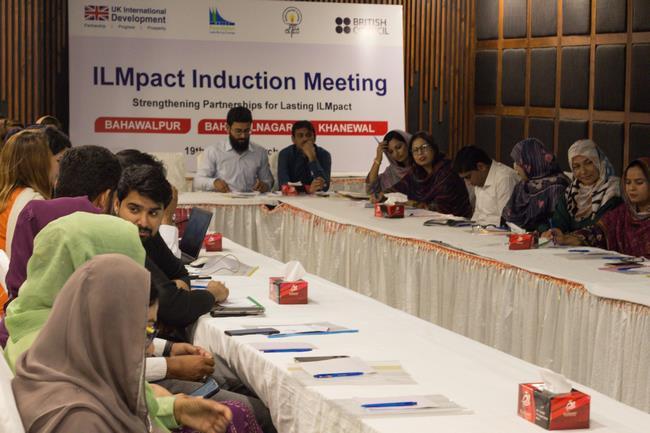
ILMpact is a GBP 9 million programme (2024–2026) supported by the Government of Pakistan, funded by the UK Foreign, Commonwealth & Development Office (FCDO), and delivered through a consortium led by the British Council. It takes a ‘whole school’ approach, working with children, teachers, head teachers, and communities together, to tackle low learning levels at the classroom level, at scale.
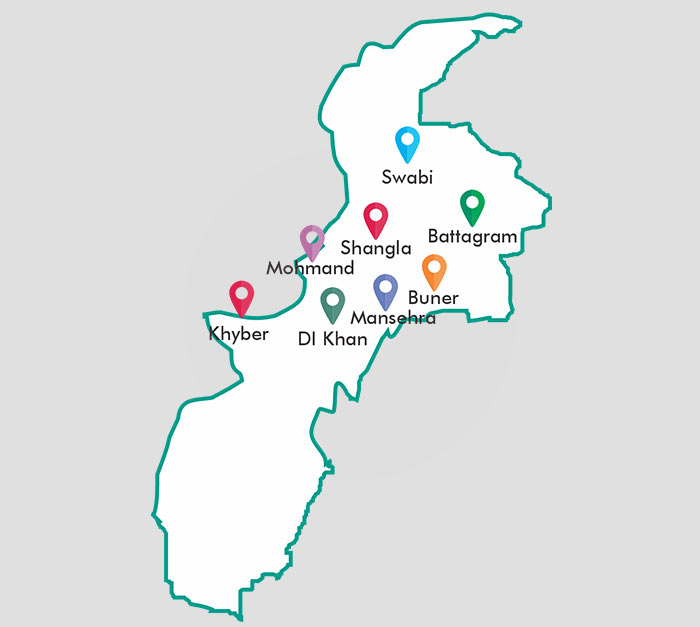
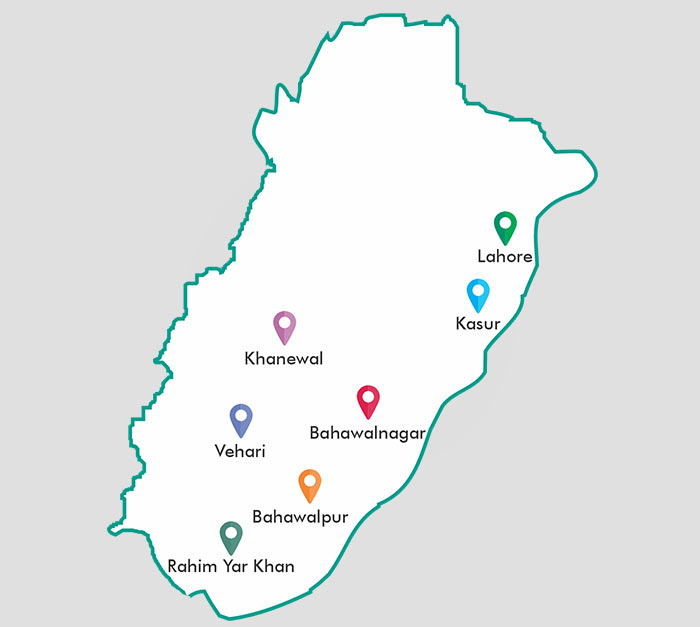
The model combines direct enrolment drives for out-of-school children, catch-up and remedial learning support for children who are behind, teacher and head-teacher training and mentoring, safer and more inclusive school environments, and awareness-raising in communities on the value of girls’ education. Across the programme, ILMpact worked in 15 districts across Punjab and Khyber Pakhtunkhwa.
ITA's Role in ILMpact
Technical (Consortium) Partner for Learning
As a Technical Partner, ITA designed the programme’s core learning approach and developed the technical content for Early Childhood Care and Education (ECCE), the Catch-up Learning Programme (CLP), Remedial Learning Programme (RL) using the Teaching at the Right Level (TaRL) approach, life-skills learning (Dosti), and the Girls’ Agency component, in coordination with government curriculum authorities in both provinces.
Implementing (Downstream) Partner in Bahawalpur & Swabi
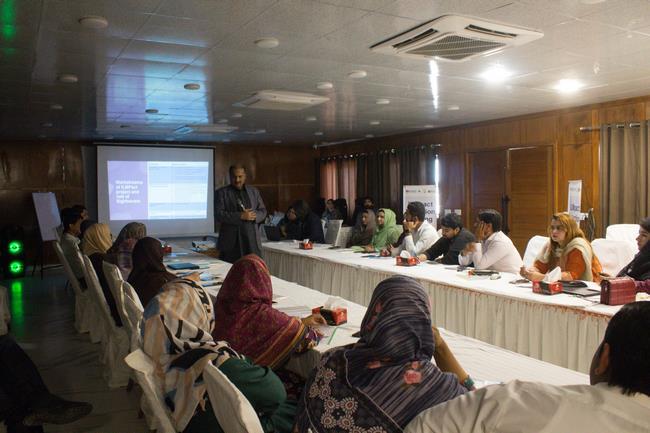
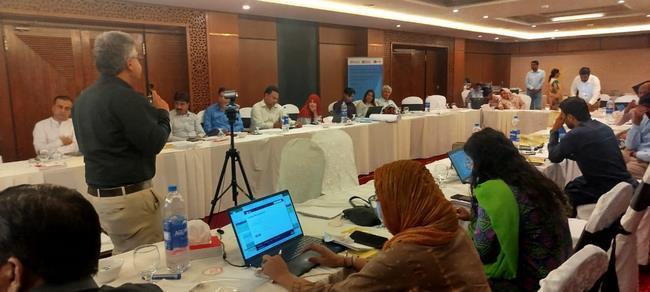
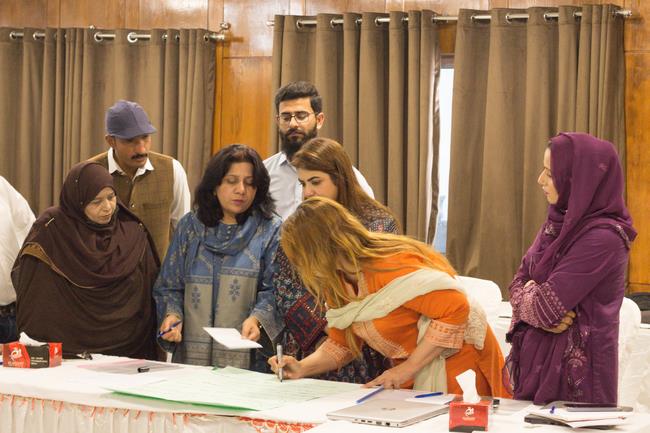
As a Downstream/Implementing Partner, ITA delivered ILMpact directly on the ground in two districts: Bahawalpur in Punjab, and Swabi in Khyber Pakhtunkhwa. This meant running the full programme at district and school level, identifying, enrolling children, training teachers and head teachers, running catch-up and remedial learning camps, strengthening school safeguarding, making schools more physically accessible, and working hand-in-hand with District Education Offices, School Management Councils (SMCs), and Parent Teacher Councils (PTCs) in both districts.
This dual role meant ITA helped shape how ILMpact’s learning approach worked everywhere, while also proving it worked in practice through direct, hands-on implementation in Bahawalpur and Swabi.
What We Did
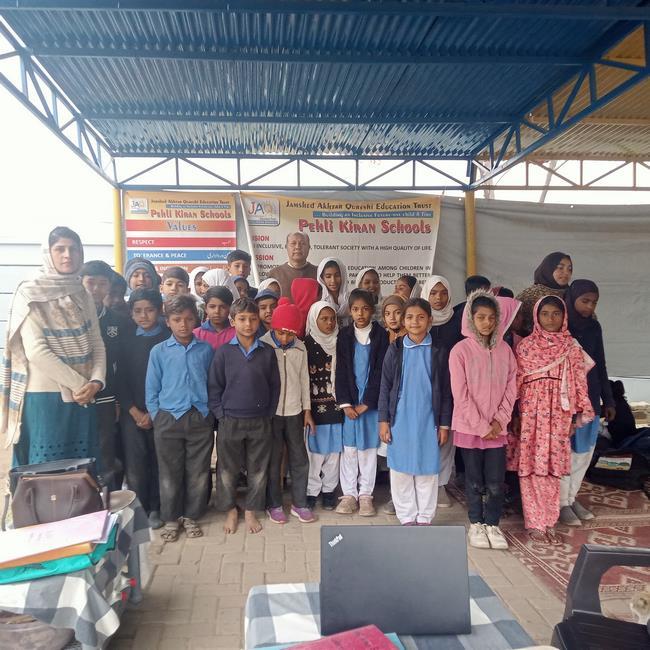
- Enrolment drives: identifying and enrolling out-of-school and never-enrolled children (ECCE through Grade 5), including through Catch-up Learning Programme (CLP) camps that prepare over-age and out-of-school children to re-join formal schooling.
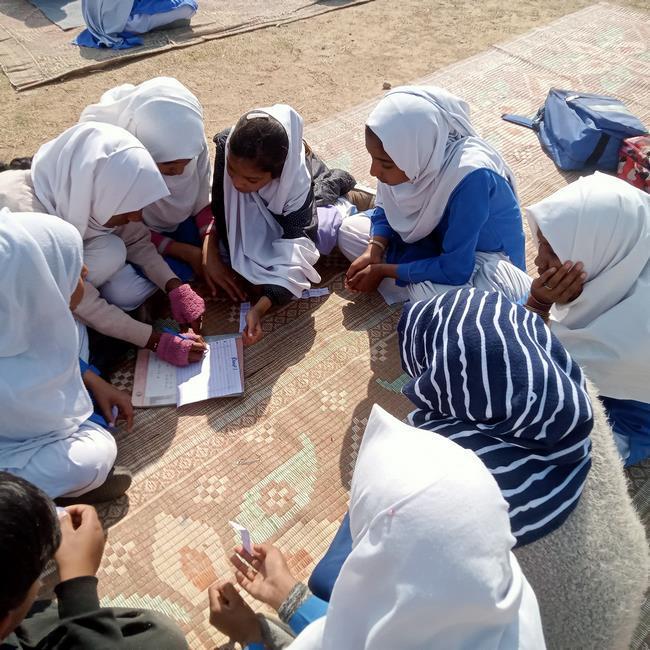
- Remedial Learning (TaRL): in-school catch-up support for Grade 3–5 students who are behind in reading and numeracy, using the internationally recognised Teaching at the Right Level approach.
- Early Childhood Care & Education (ECCE): activity-based learning and social-emotional development for the youngest learners.
- Life skills (Dosti): weekly storytelling and life-skills sessions building confidence and social-emotional wellbeing.
- Girls' Agency & STEAM Clubs: building girls' leadership, confidence and interest in STEAM subjects.
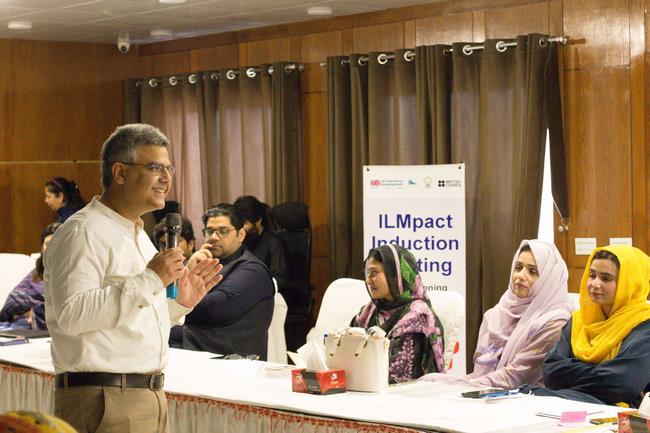
- Teacher & head-teacher training: training and ongoing mentoring for teachers and Master Trainers, and instructional leadership support for head teachers.
- Safeguarding: school-level safeguarding frameworks, focal-person training, and safe reporting mechanisms.
- Disability screening & accessibility: health and disability screening, assistive devices, and accessibility audits leading to rehabilitation work in target schools.
- Community engagement: working with School Management Councils (SMCs) and Parent Teacher Councils (PTCs) on enrolment, retention and safeguarding.
ILMpact Impact: The Numbers
ILMpact worked across 7 districts in Punjab and 8 districts in Khyber Pakhtunkhwa. Programme-wide results split by province:
Results by Province
Results | Punjab (7 districts) | Khyber Pakhtunkhwa (8 districts) |
Children benefitted from ILMpact interventions | 114,277 | 97,413 |
Out-of-school children enrolled (ECE to Grade 5) | 20,298 | 14,891 |
Children receiving remedial learning | 23,403 | 25,338 |
Students in STEAM activities (Grade 6–8) | 3,681 | 3,547 |
Disability screenings completed | 67,210 | 58,128 |
School accessibility audits completed | 203 | 200 |
PTC / SMC members trained | 2,279 | 1,600 |
Teachers who received mentoring support | 2,650 | 2,517 |
Learning Gains
Independent assessment data shows strong learning gains for children in both the in-school Remedial Learning (RL) programme and the Catch-up Learning Programme (CLP) for out-of-school children:
Remedial Learning Programme (RL)
Remedial Learning (in-school) | Baseline | Midline |
English reading | 42% | 55% |
Urdu reading | 49% | 59% |
Maths | 46% | 65% |
Catch-Up Learning Programme (CLP)
Catch-up Learning Programme (out-of-school) | Baseline | Endline |
English reading | 7% | 59% |
Urdu reading | 8% | 56% |
Maths | 4% | 42% |
ITA's District Implementation: Bahawalpur & Swabi
Within the programme-wide totals above, ITA’s own implementation directly reached children and teachers across Bahawalpur (Punjab) and Swabi (Khyber Pakhtunkhwa):
Result | Bahawalpur (Punjab) | Swabi (KP) |
Out-of-school children enrolled in CLP camps and mainstreamed into formal schools | 1,500+ | 1,000+ |
In-school students who strengthened foundational learning skills through remedial support | 3,500+ | 4,000+ |
Students in the Catch-up Programme who showed learning gains within their first month | 50% | 50% |
Children screened for disabilities and provided with assistive devices | 13,000+ | 8,000+ |
Schools made more accessible through rehabilitation work | 29 schools | 25 schools |
Looking Ahead: Sustainability
ILMpact was designed from the outset to leave lasting change within government systems, not just during the life of the programme. As ILMpact closed, ITA worked with government partners in both districts to embed its gains for the long term:
- Government ownership: In Bahawalpur, the CEO Education (DEA Bahawalpur) and the Divisional Director of the School Education Department (SED Multan) publicly committed to continuing ILMpact's Safeguarding Framework and Remedial Learning interventions after the programme's close, and to extending training to schools beyond the original target list.
- Institutionalised training: Government-nominated Master Trainers were trained in both provinces and are recognised as ongoing district resource persons, able to continue mentoring and cascading training within the government system.
- Approved, government-owned content: All technical content (TaRL, ECCE, Remedial/Catch-up Learning) was formally reviewed and approved by provincial curriculum authorities (QAED/PECTAA in Punjab; DPD/DCTE in Khyber Pakhtunkhwa), so it lives on as part of the official curriculum ecosystem, not a parallel ITA resource.
- Community ownership: Rehabilitation and accessibility work in all 54 schools was carried out under the budgetary control of School Management Councils and Parent Teacher Councils, to build a genuine sense of local ownership.
Programme Resources
Pictorial View