
ITA’s Successful Advocacy for “Abolition of Pink Tax"

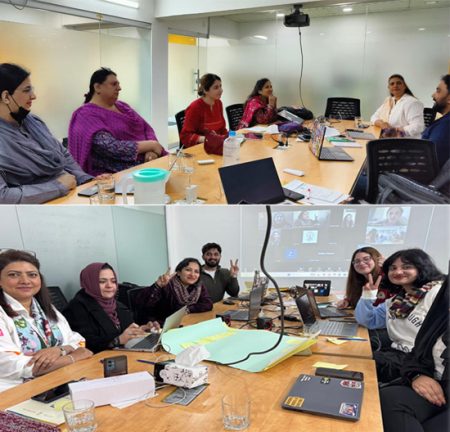
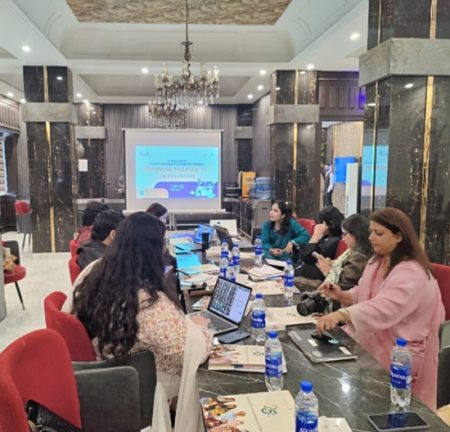
The dialogue at CSA brought together policymakers, parliamentarians, senior civil servants, development partners, academics, and civil society leaders to engage in evidence-based discussions on the impact of taxation on menstrual products. This space was claimed for confronting difficult issues through dialogue and collective problem-solving.
The Pakistan Learning Festival has evolved into an active learning event about creativity, expression and rights, it serves as a platform for discussing the country’s most pressing social justice challenges. By placing the issue of Pink Tax at the center of a national learning forum, ITA ensured that menstrual dignity was discussed not only as a health issue but also as an issue of economic justice, public policy, mental health and gender equality. The willingness of the Civil Services Academy to host such discussions also deserves recognition. Institutions like CSA play a crucial role in creating spaces for conversations driven by youth and adolescents that challenge traditional norms and encourage future leaders to adopt inclusive approaches to policy making.
Beyond policy engagement, ITA also worked to break the silence surrounding menstruation through public awareness initiatives, community outreach, educational forums, youth-led campaigns and Fellowships. By bringing menstrual health conversations into schools, communities, festivals, conferences, and public spaces, ITA with many more national partners continues to challenge stigma and normalize dialogue around a topic that has historically been considered taboo.
As I reflect on this achievement, I am reminded that advocacy is often a long and challenging process. There were times when discussions on menstruation struggled to gain attention within policy circles. Yet ITA and its partners remained committed to ensuring that the voices and experiences of women and girls were not overlooked.
