A Second Chance for Pakistan’s Children: ILMpact Launches in Bahawalpur
By Arooj Khalid
With 11 million out-of-school children in Punjab alone, education exclusion has become nothing short of a state of emergency. Behind every statistic is a child whose dreams have been deferred, girls pushed towards early marriage, boys forced into labour, minorities and children with disabilities quietly left behind. In the face of this crisis, the Government of Punjab has not stood on the sidelines. It has led from the front. From the development and approval of content to implementation in classrooms, the government’s leadership has ensured that the ILMpact Programme is not just another project, but a movement with the power to change futures. In collaboration with partners and local communities, ILMpact is bringing back those children who were invisible within the system and giving them a second chance at learning, dignity, and hope.
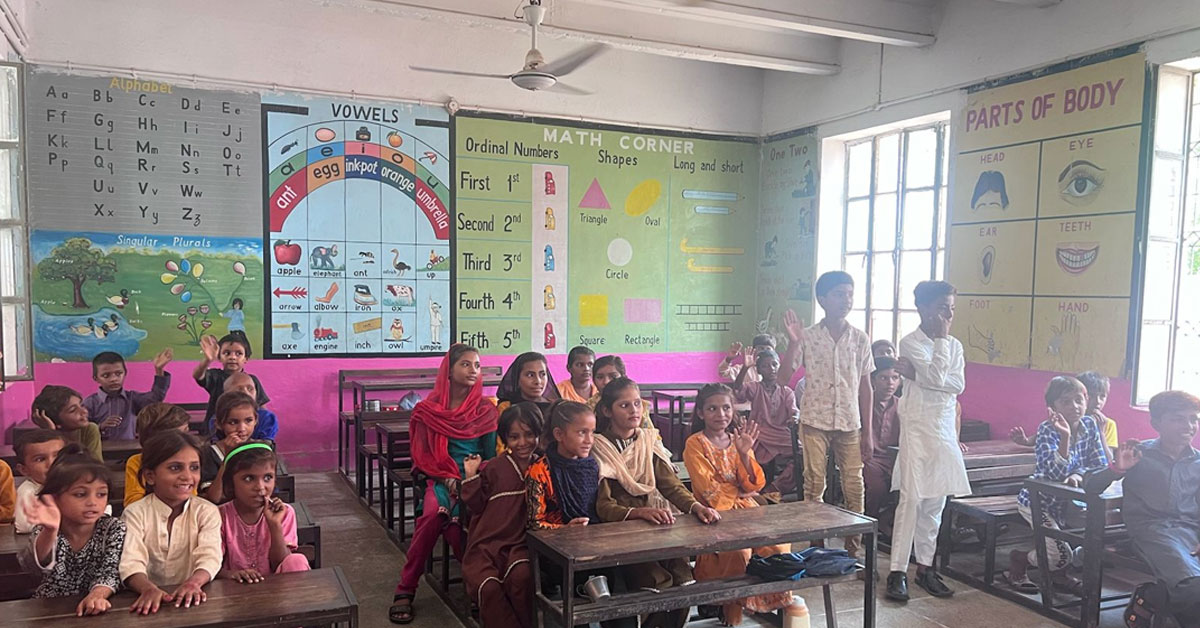
On 18 August 2025, the vision of ILMpact came alive on the ground with the launch of Catch-Up Learning Classes in Bahawalpur, soon to be followed by similar camps across 200 School Education Department (SED) schools in Punjab. The programme seeks to re-engage children in Grades 3–5 who have slipped through the cracks of the system, often because they found themselves a step behind their peers in learning levels. For these learners, ILMpact offers a lifeline: a two-month Catch-Up Programme rooted in the Teaching at the Right Level (TaRL) approach. Activity-based and child-centred, TaRL groups children by learning level rather than age or grade. There is ample solid evidence from Pakistan and other developing countries, that through the TaRL approach, those once considered “too far behind” can make dramatic gains in just a matter of weeks. It is not simply about teaching children to read or calculate; it is about restoring their self-confidence, their joy in learning, and their belief that school is a place where they belong. By the end of this year alone, the programme will touch the lives of nearly 7,000 students across Punjab as demonstration of what can be adopted at scale by the system.

The effort to make this possible has been immense. A cascade training model was deployed to ensure quality and sustainability. Master Trainers across seven districts were trained intensively in the TaRL approach, practiced it themselves, and then trained community teachers placed in 200 schools. These community teachers receive monthly mentorship, classroom visits, and hands-on coaching, not just to deliver lessons, but to adapt them to the local context, ensuring relatability in routines that work. This continuous cycle of training and mentoring is not incidental – it is the backbone of ILMpact’s design, ensuring that capacity stays embedded in communities beyond the current funding cycle. Children and teachers alike have also been equipped with books, essential teaching learning materials in an enabling setting where their learning matters.
The power of this approach has already been proven in ITA’s previous and ongoing work. From the Sayyani Saheli initiative to the Malala Fund-supported programmes in Sindh, to emergency flood response learning camps in Multi-year Resilience Program (MYRP), Girls Education in Punjab, the TaRL approach has consistently pulled children out of the lows of learning poverty. Evaluations show that children and adolescents who could not read a single word or solve a simple sum often progressed by grade levels in just 60 days. These are not abstract numbers, but testaments to possibility, resilience and the fact that learning is never a lost cause.

The launch in Bahawalpur was more than just a programme inauguration; it was a celebration of possibility. At Government Girls Elementary School (GGES), Christian Colony, Yazman, the air was buzzing with pride and anticipation. This school itself carries a story worth telling: a government institution that caters to a melting pot of identities Hindus, Muslims, and Christians learning side by side. It is not only the first government school to host the Catch-Up Programme, but also a living symbol of what the ILMpact dream dares to be: a classroom where children from every background sit together, dreaming of a brighter, more inclusive future.
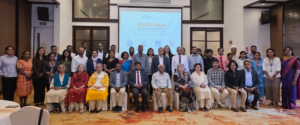
At the inauguration, parents, teachers, School Management Committee members, and District Education Authority officials gathered, joined by CEO Bahawalpur Mr. Tawakkul Hussain, DEO Secondary Mr. Malik Mukhtar Ahmad, DEO Elementary Ms. Zaitoon Kousar, and several others who stood shoulder to shoulder with the community. The CEO cut the ribbon, marking the beginning of a new hope in the district’s education landscape. Children welcomed guests with a vibrant tableau, while newly enrolled students performed a short play telling the story of their dreams that were once interrupted, now reignited.

Among those children was Arooj, a young girl from a religious minority family whose parents had withdrawn her from school, believing her future lay in early marriage. Through relentless dialogue and encouragement from head teachers, community members, and the ILMpact team, her parents agreed to let her return. On that day, she stood tall before the audience and declared her dream of becoming a doctor. Her mother’s eyes brimmed with pride. In that moment, the purpose of ILMpact was crystallised. Not in statistics or reports, but in a mother’s joy and a child’s bold declaration of her future.
None of this would have been possible without the unwavering support of the Government of Punjab, School Education Department, from Minister of Education Rana Sikandar Hayat, Secretary SED Mr Khalid Nazir Wattoo, PECTAA representatives to the district officials, head teachers, and local authorities who have stood by the programme. Their active engagement, mobilising parents and SMCs, nominating trainers, and overseeing every step, ensured smooth implementation, building community trust. The active presence of the British Council team underscored the approach as a model for inclusive, quality education in Pakistan.

The ILMpact Catch-Up Learning Programme is not a quick fix. It is the first step in a journey to reimagine our school system so no child is left behind. Its sustainable logic, anchored in local ownership, community engagement, and government stewardship, ensures that when the funding ends, the learning will not. What began with 1000 children in Bahawalpur is a blueprint for thousands more across Punjab and beyond. Arooj and her classmates reminded us so beautifully, it is not only about education, but about dignity, equality, and the radical belief that every child, no matter how far they have fallen behind, deserves a second chance.
But catch-up learning is only one of ILMpact’s solutions. At its heart, ILMpact is a holistic, child and community-centred programme from ECE to elementary that seeks to transform schools into inclusive, welcoming spaces where every child can thrive. Strengthening and engaging School Management Committees (SMCs), training head teachers in leadership and inclusion, and equipping primary teachers with the TaRL approach are core levers. ILMpact also brings healthcare directly into schools through health camps, checkups, and referrals, while ensuring that children with disabilities have access to the assistive devices they need to learn. Co-curricular opportunities are woven in through STEAM clubs, Girls’ clubs, and life-skills activities that empower girls with agency and voice in shaping their own futures. And running through it all is an unwavering commitment to safeguarding and child protection, making schools not only places of learning, but havens of safety, dignity, and hope.